They should have named these things Greatr, not Goodr. Also available in not pink.

Goodr Snow G Goggles - $75
Unisex sizing, multiple colors available
On a trip to Antarctica in 2019, we had a sunny morning at Neko Harbor that was nearly 50 degrees F and by the afternoon, we were returning to the ship on a zodiac through a heavy snow squall as a cold front moved in. Huge wet flakes were slapping us in the face and sticking to our expedition jackets, making us feel like true polar adventurers. Skimming across the water at 25 mph through a snow storm without eye protection means having to keep your peepers shut and missing the whole show. Better to have a pair of goggles on-hand, just in case. The Goodr Snow G hits the sweet spot of price and performance, sporting two lenses (light and dark) so you’ll be prepared for any weather.
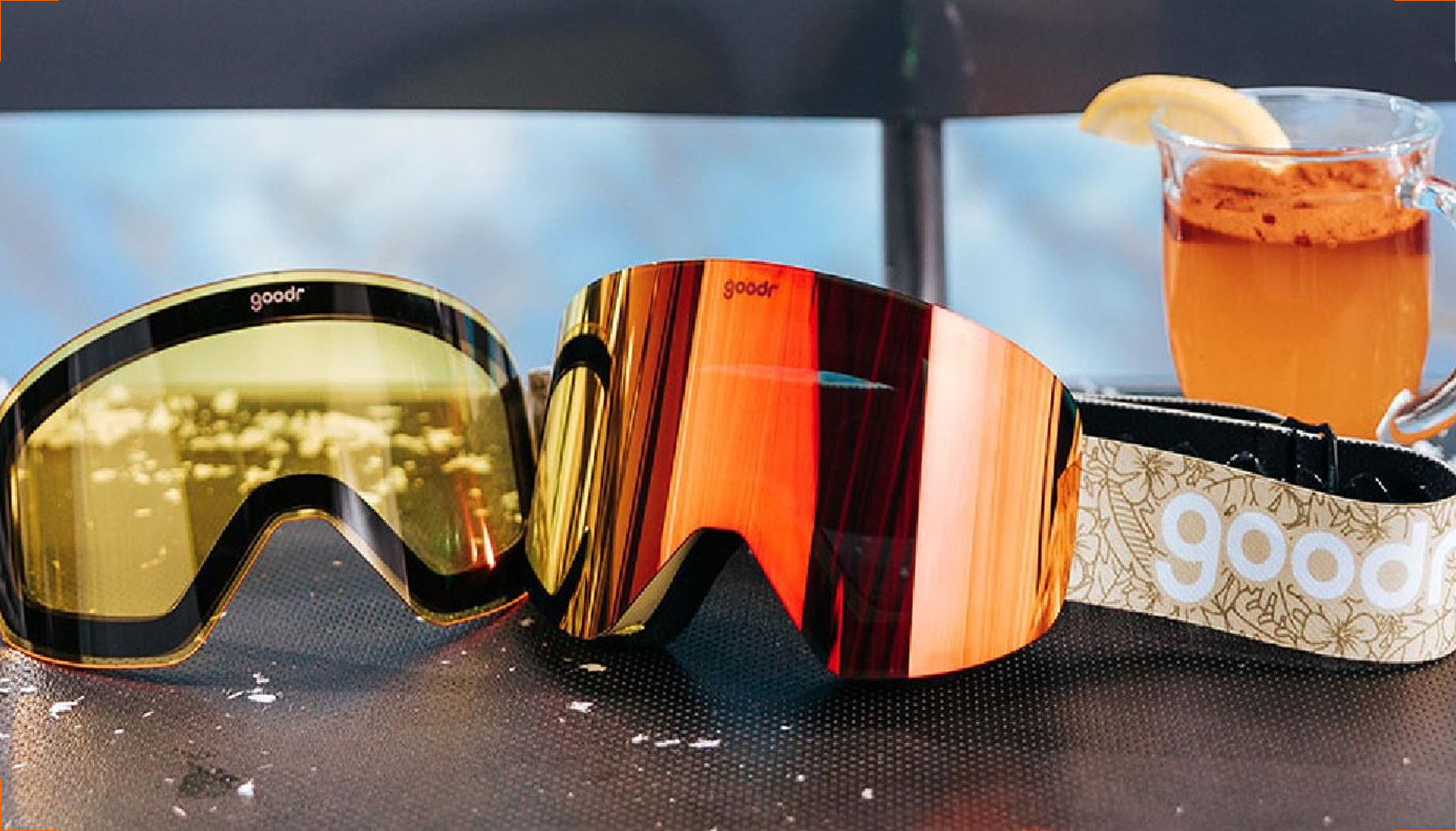
GOODR SNOW G GOGGLES - $75
PROS:
2 Magnetic interchangeable lenses
Attractive and comes in 3 colors
Perfect balance of performance and price
CONS:
You may not need them in Antarctica
Need to carry the extra lens
ALSO CONSIDER:
Economy - Innerking OTG A3 VLT 65%
Performance - Vuarnet Fuji - Photochromique Orange 44%-82%
Ultimate Performance - Julbo Launcher REACTIV 0-4 7% - 80%
Do I need goggles?
Strictly speaking, goggles aren’t a necessity. A good pair of wraparound or alpine sunglasses can serve the purpose, too, especially if they are photochromic. But here’s the case for bringing goggles: the weather in Antarctica is always changing. You might wind up with a stretch of clear, calm days and the goggles you brought will never get out of your bag. However, when there’s blowing snow or wind (especially while riding in a zodiac) wearing a pair of goggles will help you see better and stay warmer.
What if I wear eyeglasses?
The Goodr Snow G has a fairly deep frame that should fit over your glasses, depending on your face size and glasses profile. Definitely try them on when you get them and if they don’t fit over your glasses, return them and seek out a dedicated over-the-glasses (OTG) model.
What the heck is VLT?
If you’ve shopped for goggles on Amazon, you have probably seen lots of options listed with VLT numbers. VLT stands for “Visible Light Transmission”, which tells you how light or dark the lenses are. 100% VLT is a completely clear lens, 0% VLT is a completely opaque lens. This is where having an interchangeable lens system on the Goodr Snow G is great - they come with one lens for bright light and one lens for low light and they attach magnetically, so changing them is simple. The biggest mistake people make when buying goggles for Antarctica is that they get them too dark. Most times you’ll need goggles, there are clouds and precipitation so a lighter lens is better. Look for VLT values in the 44% - 80% range.
Economy Option:
If you’ll only ever need these goggles for this one trip, it doesn’t make sense to invest in high-end goggles. There are a ton of options at Amazon, but we recommend the one-size fits all Innerking OTG A3. Make sure you pick the one with 65% VLT lens, since most of their other options will be too dark for cloudy days in Antarctica.
Innerking OTG A3 VLT 65% (less than $30 at Amazon)
Performance Picks:
If you want the absolute best performance, buy goggles with non-polarized photochromic lenses. These goggle lenses automatically adjust their tint based on the light so you never need to change a lens. Plus, these premium goggles offer refined optics and higher contrast than cheaper models and are much more scratch-resistant. Avoid the polarized lens option if you plan to use a phone to take pictures!
Vuarnet Fuji - Photochromique Orange 44%-82% ($205 at Vuarnet)
Julbo Launcher REACTIVE 0-4 7% - 80% ($299.95 at Julbo)